
You open the app.
That familiar grid of faces appears. For a moment, there’s a flicker of hope - a new message and the possibility of connection, a fun chat, a date, maybe even something more.
But it’s often followed by a familiar, sinking feeling.
The endless swiping, the conversations that go nowhere, the profiles that seem too good to be true.
You close the app feeling more drained and lonelier than when you opened it.
If this sounds familiar, you’re not alone. In my practice as a therapist, I speak with countless gay men over 40 who are wrestling with this exact paradox. My work is GSRD-informed, which simply means it affirms all gender, sexuality, and relationship diversity, and I’ve seen firsthand the emotional toll these platforms can take.
This article is not about shaming you for using apps or telling you to delete them. I'm sure there are lots of other sources for that.
Instead, it’s a guide to understanding the psychological landscape you’re navigating, so you can use these tools without letting them use you. It’s about protecting your peace while seeking the connection you deserve.
The Allure and the Agony: Why Are Dating Apps So Compulsive?
It’s crucial to understand one thing from the outset: if you find these apps addictive, it's not a personal failing. They are designed that way.
The core mechanic of most dating apps is what psychologists call a "variable-ratio reinforcement schedule."
In simpler terms, it’s a slot machine.
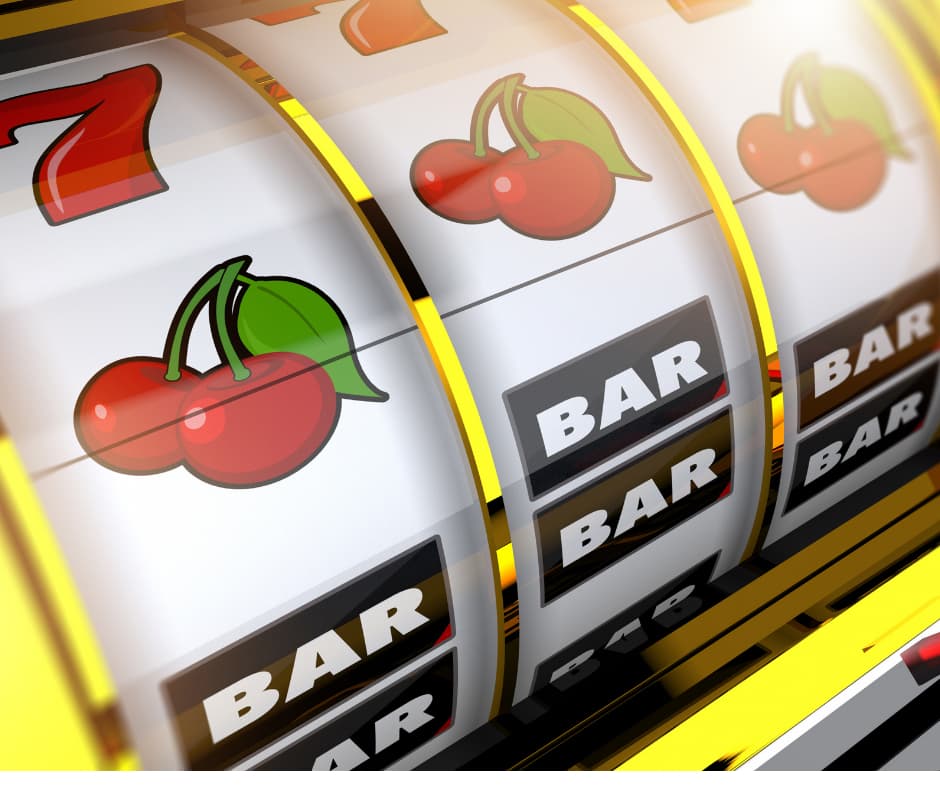
You pull the lever (swipe) and you don’t know if you’ll get a reward (a match, a message) or nothing. That unpredictability is precisely what makes it so compelling. Every swipe and tap and holds the promise of a dopamine hit, that little buzz of validation when someone shows interest.
This system is powerfully effective, but it can also be incredibly damaging. You could say that it conditions us to seek constant, low-level validation from strangers, often at the expense of our own self-worth.
It makes perfect sense that you might feel trapped in a cycle of endless swiping, searching for the next small reward while the overall experience leaves you feeling empty.
A Generation Gap in Code: Dating Before and After the Swipe
For many of us over 40, our formative dating experiences happened in a different world.
Connection might've started with eye contact across a pub, a conversation sparked at a friend’s party, or the slow-burn of seeing the same guy on the bus into work. It required vulnerability, courage, and a degree of social risk.
While not without its own challenges, it was fundamentally human.
Dating apps have replaced that human-centred model with a data-driven one. We are now profiles to be assessed, filtered, and discarded with a flick of the thumb.
This creates a specific set of modern wounds:
-
Ghosting: The sudden, unexplained disappearance of someone you were talking to. It can feel like a profound rejection that taps into deep-seated fears of abandonment. It’s an understandable response to feel hurt and confused when this happens.
-
Bots and Catfishing: The threat of deception is constant. Catfishing in the gay community preys on our desire for connection, leaving victims feeling foolish and violated. It erodes trust and makes genuine vulnerability feel impossibly risky.
-
The Illusion of Infinite Choice: With hundreds of potential matches at our fingertips, it's easy to fall into the trap of thinking someone "better" is just one more swipe away. This can prevent us from giving real people a genuine chance, fostering a culture of disposability.
Navigating this landscape can feel difficult - especially if it seems like everyone else is navigating it with ease.
The Emotional Toll: Burnout, Loneliness, and the Comparison Game
The cumulative effect of this experience is often dating app burnout. It’s a state of emotional exhaustion and cynicism towards dating, fuelled by the relentless cycle of hope and disappointment.
You might notice it as:
-
Feeling emotionally numb while swiping.
-
Becoming irritable or pessimistic about the prospect of meeting someone.
-
A growing sense of loneliness, despite being "connected" to so many people.
-
Constantly comparing yourself to the curated, often filtered, profiles you see, leading to a dip in your own self-esteem.
This is a completely normal response to an abnormal environment.
You are a human being seeking authentic connection in a system designed for brief transactions.
The friction between those two things is where the burnout happens. The goal is to reduce that friction by taking back control.
Reclaiming Your Sanity: 5 Strategies to Use Dating Apps on Your Own Terms
You have the power to change your relationship with these apps. It requires a shift from passive consumption to active, intentional engagement. Here are five concrete strategies to get you started.
1. Define Your ‘Why’ Before You Open the App
Don't just open Grindr or Scruff out of boredom or habit. Take a moment to ask yourself: "What is my intention right now?" Be honest. There are no wrong answers, only a lack of clarity.
-
Are you seeking fun, casual dates?
-
Are you new to a city and want to use an app for friends and to learn the local scene?
-
Are you in a relationship and simply looking for platonic connections or a sense of community?
-
Are you looking for a long-term partner?
Defining your ‘why’ acts as your anchor.
If you’re looking for friendship, you can ignore the profiles that are clearly just looking for a hook-up, and it won't feel like a rejection. It’s just not a match for your goal.
2. Be the Gatekeeper of Your Time and Space
These apps are designed to be limitless. You must be the one to create the limits.
-
Set Time Boundaries: Dedicate specific, limited windows for app usage. For example, 20 minutes after work. Swiping in bed can create an association that being there is a source of anxiety - so think about swiping elsewhere!
-
Turn Off Notifications: You decide when to engage with the app; don't let it beckon you with every new message or tap. This can reduce the feeling of being constantly on-call and reclaim your mental space.
3. Craft a Profile That Is a Filter, Not a Façade
It's tempting to create a profile that you think will appeal to the widest possible audience. But what about creating a profile that is an honest reflection of who you are, what you value, and what you're looking for?
-
Use Recent, Realistic Photos: Show your face, your smile, and you doing things you love. A photo of you on a coastal walk in Cornwall or enjoying a beer in the Northern Quarter says more than a ten-year-old headshot.
-
Be Specific in Your Bio: Instead of "Likes travel and movies," try "Love exploring historic towns in the UK and will never say no to a classic Hitchcock film." Instead of "Looking for a nice guy," try "Seeking a kind, communicative partner for shared adventures, big or small."
An authentic profile won't attract everyone. That’s the point. It will attract people who are genuinely interested in you, saving you from countless dead-end conversations.
4. Move from Digital to Real (Safely and Swiftly)
Endless texting is a major cause of dating app burnout. It creates a false sense of intimacy ("text-imacy", of course someone's thought of a word for that!) that might not survive contact offline.
A brief video call is a low-stakes way to check for chemistry... and verify the person is who they say they are.
If that goes well, suggest a short, low-pressure meeting. A coffee, a quick pint, or a walk in a public park. It quickly tells you if there’s a real-world spark, saving you weeks of wasted emotional energy.
5. Diversify Your ‘Social Portfolio’
Treat dating apps as just one tool in your toolbox for connection, not the only one.
Actively invest time and energy in offline activities that bring you joy and put you in contact with other people.
This could mean joining an LGBTQ+ sports league, a professional networking group, a book club, or volunteering for a cause you care about in your city.
Or maybe looking local walking groups, community choirs, art classes at a nearby college, or even online communities built around a niche hobby you love.
When your sense of self-worth and social connection is rooted in a variety of sources, the highs and lows of dating apps have far less power over you.
Conclusion: Reclaiming Your Worth from the Algorithm
The world of gay dating apps over 40 can feel like a gauntlet. It's an environment that can amplify insecurities and leave you feeling jaded.
It's easy to read an article like this and still feel a degree of scepticism. After all, we are social creatures, wired for connection. Rejection, even from a disembodied profile on a screen, can sting. It’s an understandable human response to a system that often feels dehumanising.
The shift, then, is not about trying to win a game that feels rigged against your well-being.
It is about consciously withdrawing your emotional investment from its unpredictable outcomes. Built through the small, deliberate actions we've discussed.
Every time you define your intention before opening an app, every time you enforce a time limit, and every time you invest an evening in a real-world hobby instead of scrolling, you are taking back a piece of your own agency. You are demonstrating to yourself, through your actions, that your peace of mind is the priority.
The aim is to build a life that feels steady and meaningful on its own terms. A life where your self-worth is anchored in your work, your friendships, your passions, and your character—not in the fleeting attention of someone on a grid. When you find that centre, a connection made via an app becomes a welcome possibility, not an urgent necessity. And that shift in perspective is the most powerful tool you have.
If you feel you'd benefit from a confidential, non-judgemental space to explore this further, you can learn more about me or schedule a free 15-minute introductory call.
Frequently Asked Questions About Dating Apps For Gay Men 40+
How can I cope with being ghosted on a dating app?
First, validate your feelings. It's okay to feel hurt or angry. Remind yourself that ghosting is a reflection of the other person's communication skills and emotional capacity, not your worth. Avoid sending angry follow-up messages. Instead, focus your energy back on yourself: connect with a friend, engage in a hobby you love, and gently release the need for closure from someone who was unwilling to provide it.
Is it actually possible to find genuine friends on apps like Tindr, Scruff or Grindr?
Yes, it is, but it requires clarity and patience. Be explicit (but friendly) in your profile that you're open to or looking for friendship. For example, "New to the area and looking to meet cool people for a pint and good chat." You will have to filter through many people who aren't looking for the same, but being upfront helps you find the ones who are.
I live in a rural area with very few options on the apps. How do I avoid getting discouraged?
This is a common and valid frustration. The key is to manage your expectations and diversify. Use the apps in short, intentional bursts, but don't make them your only source of hope. Try investing in local community groups, even if they aren't explicitly LGBTQ+. Building a strong local, platonic support network can do wonders for your mental health and reduce the pressure on finding a partner via an app.
I feel like I'm "too old" for these apps. How do I deal with ageism?
This is a very common concern. It's true that ageism exists, but it's not the whole story. Your age and experience are also a significant strength. An honest profile is your best tool here. Be unapologetically you. This filters out those for whom age is a dealbreaker and attracts those who value maturity, stability, and life experience.