

It was a Friday evening  when Kim received the last message from Alex.

They had been talking for a couple of weeks, and everything seemed to be going well. They exchanged messages, shared laughter, and even planned to meet up soon.

But then, without any warning, Alex disappeared. No more messages, no explanations - nothing. Kim had been ghosted.
Ghosting has become an all-too-familiar experience for many in the world of modern dating and relationships. In this blog post, I'll dive deep into the phenomenon of ghosting to understand why it happens, explore its historical context, and most importantly, offer guidance on how to cope with being on the receiving end of this heart-wrenching experience.
What is Ghosting?
In my work as a therapist, I've met many people who have been deeply affected by the phenomenon known as “ghosting.”
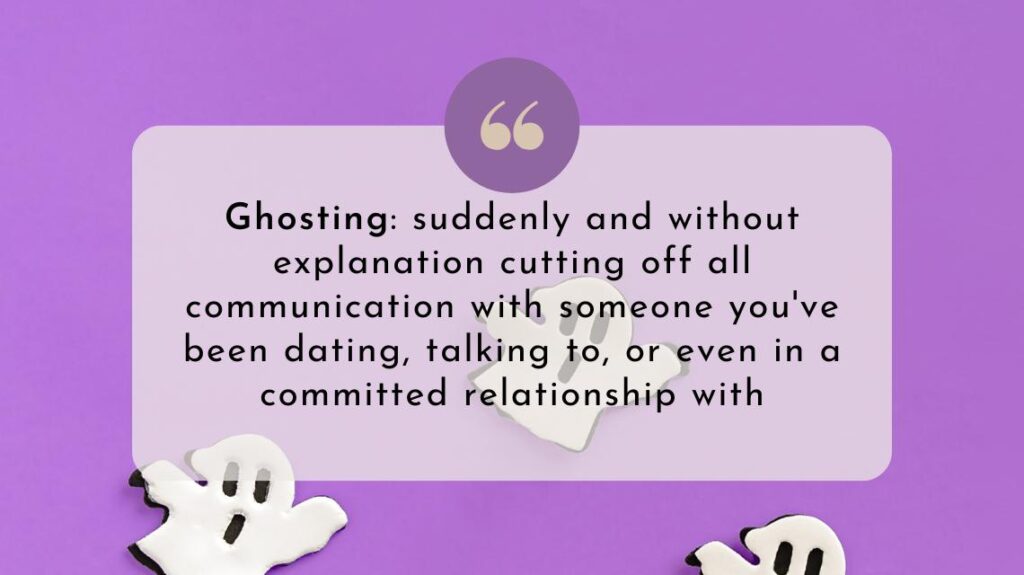
For those who might not be familiar with the term, ghosting refers to the act of suddenly and without explanation cutting off all communication with someone you've been dating, talking to, or even in a committed relationship with.
It leaves the person on the receiving end feeling confused, hurt, and often questioning their own worth.
While the term “ghosting” is most commonly associated with dating apps and online relationships, this behaviour can occur in various contexts, including friendships and long-term partnerships. It's a universal experience that transcends age, gender, and background.
Ghosting typically occurs when one person decides to end a relationship, whether romantic or platonic, but chooses not to communicate their intentions with the other person. Instead, they cease all forms of contact, leaving the other party in a state of limbo, unsure of what happened and why they've been left in the dark. This lack of closure can be incredibly distressing and can lead to feelings of rejection, abandonment, and self-doubt.
In a world where technology has made it increasingly easy to connect and disconnect with others, ghosting has become a prevalent issue in modern relationships. The ease with which we can swipe left or right, block, or unfriend someone has, in some cases, diminished our ability to engage in authentic, empathetic communication, especially when it comes to ending relationships.
When navigating the complexities of modern relationships, it can be helpful to approach the subject of ghosting with compassion and open-mindedness. In the following sections, I'll delve deeper into the history of ghosting, its prevalence in the digital age, and the ways in which you can cope with the emotional fallout of being ghosted.
The History of Ghosting
As I delve into the history of ghosting, it's important to remember that while the term itself might be relatively new, the concept of suddenly and inexplicably cutting off communication with someone has likely existed for as long as human relationships have.
In the past, similar behaviours might have been referred to as the silent treatment or ostracism. However, the advent of digital communication and the rise of dating apps have made it easier than ever for people to disappear without a trace, exacerbating the issue and bringing ghosting to the forefront of modern relationship discussions.
Before the digital age, when communication was primarily face-to-face or via written letters, ghosting as we know it today was less common. Yet, the act of disappearing from someone's life without any explanation or closure has its roots in historical practices like ostracism in Ancient Greece, where individuals were banished from society for a specified period of time. This form of social exclusion was meant as a form of punishment and deterrence for those who posed a threat to the community.
In more recent times, the silent treatment has been a method of exerting control or expressing disapproval in relationships. Ignoring someone or refusing to engage with them can be emotionally distressing for the person on the receiving end, as it leaves them without any understanding of what they may have done wrong or how to resolve the situation.
The term "ghosting" itself is thought to have originated in the early 2000s, with the rise of online dating and social media platforms. These digital spaces allowed for the creation of new connections and relationships, but also made it increasingly easy for individuals to simply vanish from one another's lives. The anonymity and accessibility provided by these platforms have certainly played a role in fostering ghosting behaviour.
From my own work with clients, it's clear that this phenomenon can leave lasting emotional scars. People who have been ghosted often experience feelings of rejection, confusion, and self-doubt, wondering what they might have done wrong to warrant such treatment.
In the next section, I'll explore how the digital age has further facilitated the prevalence of ghosting and the ways in which technology has both helped and hindered our ability to form and maintain authentic connections.
Ghosting in the Digital Age
Social media platforms and dating apps mean that the possibility for communication with new people has expanded exponentially, but so have the opportunities for ghosting.
We can connect with others in an instant, but this also means that we can just as quickly disconnect. The anonymity and accessibility provided by digital communication tools have contributed to a culture in which ghosting has become a common way of ending relationships, even though it can cause significant emotional distress.
One of the reasons ghosting has become so prevalent in the digital age is the sheer volume of connections we can establish through online platforms. With so many potential matches and friends at our fingertips, it can be tempting to view relationships as disposable or replaceable. This mindset can sometimes make it easier for people to justify ghosting as an acceptable way to end a relationship, even though it leaves the other person feeling hurt and confused.
Another factor contributing to the rise of ghosting in the digital age is the nature of online communication itself. Digital interactions can sometimes feel less “real” than face-to-face conversations, which may lead individuals to be less considerate of others' feelings when ending a connection. Ghosting can seem like an easy way out, as it doesn't require the emotional labour of having a difficult conversation or facing potential confrontation.
Though it goes without saying that behind every screen is a real person with real emotions. By treating digital relationships with the same care and empathy that we would in-person connections, we create a more compassionate and supportive online environment.
As this article continues to explore the phenomenon of ghosting, it's crucial to recognise the ways in which the digital age has both helped and hindered our ability to form and maintain authentic connections. By understanding the role that technology plays in our relationships, you can better equip yourself and others to navigate the emotional challenges that come with ghosting and work towards fostering more open and honest communication in your life.
Scientific Research on Ghosting
As ghosting becomes an increasingly common phenomenon in the digital age, researchers have started investigating the psychological and emotional effects of this behaviour on both the “ghoster” and the “ghosted.” The growing body of scientific literature on ghosting provides valuable insights into why it happens and the potential consequences for those involved.
One study conducted by Leah LeFebvre called “Ghosting in Emerging Adult' Romantic Relationships” found that individuals might choose to ghost due to a fear of confrontation, emotional immaturity, or an inability to cope with the stress of ending a relationship. The study also highlighted how technology has facilitated the prevalence of ghosting by providing an easy way to disconnect without the need for direct communication.
In another study published in the Journal of Social and Personal Relationships, the researchers explored how and why people may use ghosting as an effective way to end a relationship. It sounds cold, doesn't it, but I suppose 'effective' may not always correlate with 'kind'. They also felt that more exploration needed to take place to understand the difference between ostracism and ghosting - something that I hadn't considered when first writing this blog.
Coping with Ghosting: Strategies and Self-Care
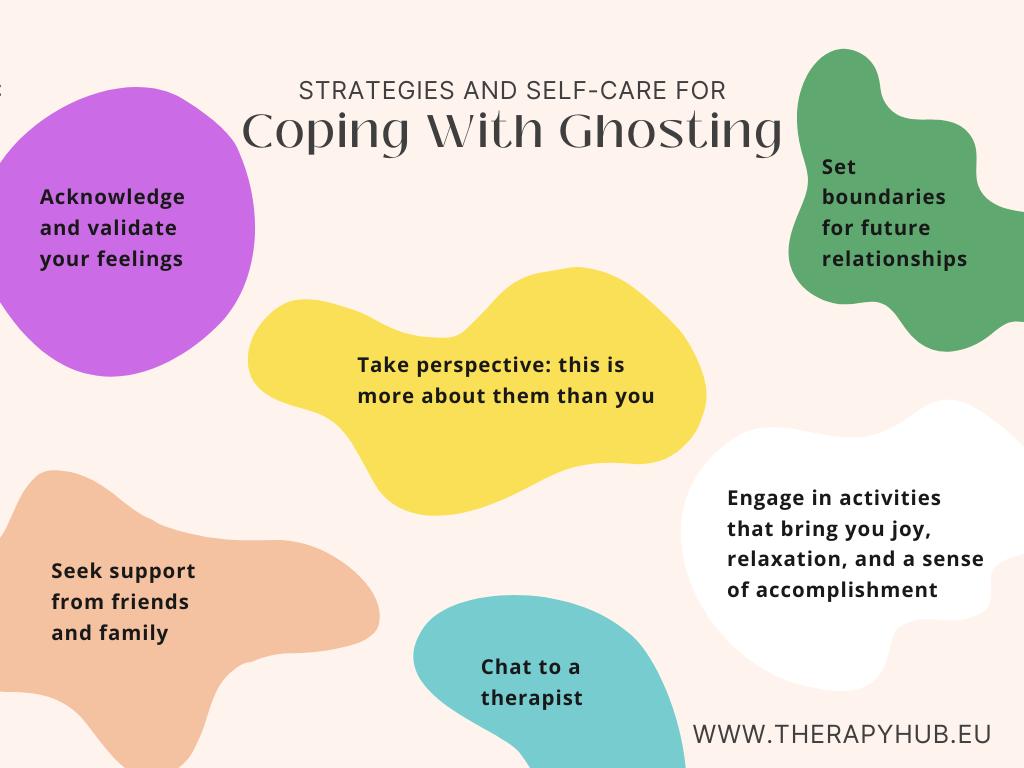
Experiencing ghosting can be a challenging and emotionally distressing experience. I have worked with people who have been deeply affected by ghosting, and I have seen the importance of developing coping strategies and self-care practices to help navigate the emotional fallout.
Here are some suggestions for coping with ghosting and prioritising self-care:
-
Acknowledge and validate your feelings: Give yourself permission to recognise that the emotions you're experiencing after being ghosted are valid and natural. Allow yourself to feel hurt, confused, or angry, and give yourself permission to grieve the loss of the relationship.
-
Seek support from friends and family: Reach out to your loved ones for support and share your feelings with them. They can offer a listening ear, empathy, and encouragement, helping you to process your emotions and gain perspective on the situation.
-
Maintain perspective: While it's easy to take ghosting personally and question your own worth, it's important to remember that the other person's decision to ghost you is likely more about them than it is about you. Ghosting is often driven by the other person's emotional immaturity or inability to communicate effectively.
-
Engage in self-care activities: Taking care of your emotional, physical, and mental well-being is crucial after experiencing ghosting. Engage in activities that bring you joy, relaxation, and a sense of accomplishment, such as exercise, hobbies, or spending time in nature.
-
Set boundaries for future relationships: Use this experience as an opportunity to identify what you want and need in your relationships. Establish boundaries and expectations for communication, ensuring that future connections are built on a foundation of openness and honesty.
-
Consider professional support: If you find that your emotions are overwhelming, or you're struggling to move forward after being ghosted, consider seeking the support of a mental health professional. A therapist or counsellor can provide valuable guidance and coping strategies tailored to your individual needs.
I realised that it wasn't something wrong with me, but it was their inability to communicate as an adult that resulted in them resorting to ghosting.
Lea*
While there is no one-size-fits-all approach to coping with ghosting, these self-care practices can provide a starting point for healing and moving forward.
Remind yourself that you deserve respect and open communication in your relationships, and that ghosting is not a reflection of your worth. By prioritising self-care and seeking support, you can emerge from the experience of ghosting stronger and more resilient.
The Other Side: Understanding the Ghoster's Perspective
While it's essential to focus on healing and self-care after experiencing ghosting, gaining insight into the ghoster's perspective might help us develop empathy and understanding.
Though these reasons do not justify ghosting, they do provide context and understanding.
Why did they ghost me?
-
Fear of confrontation: Many people who ghost others do so because they're afraid of confrontation or conflict. They may feel overwhelmed by the prospect of a difficult conversation and choose to avoid it altogether by cutting off communication.
-
Emotional immaturity: Some individuals may not have the emotional maturity or skills necessary to effectively communicate their feelings and end a relationship. They may resort to ghosting as a way to avoid dealing with their emotions or taking responsibility for their actions.
-
Feeling overwhelmed: In some cases, the person doing the ghosting might feel overwhelmed or trapped in the relationship. They may believe that ghosting is the only way to escape the situation without causing further harm or distress.
-
Past experiences: An individual's previous experiences in relationships can also influence their decision to ghost. They may have been ghosted themselves or witnessed others going through the experience, leading them to believe that ghosting is an acceptable way to end a relationship.
-
The influence of technology: As I mentioned earlier, the digital age has played a significant role in the prevalence of ghosting. The ease with which we can disconnect from others online may contribute to the perception that ghosting is an acceptable way to end a relationship.
-
Insecurity and self-protection: Some individuals may ghost others due to their own insecurities or feelings of vulnerability. They might be afraid of getting hurt or rejected, so they choose to end the relationship abruptly in an attempt to protect themselves from emotional pain.
-
Ambiguity and uncertainty: In some instances, the person doing the ghosting might be unsure about their own feelings or intentions. They may feel conflicted about whether they want to continue the relationship, and ghosting can be a way for them to avoid making a definitive decision.
-
External pressures: External factors, such as family, societal expectations, or cultural influences, can also contribute to the decision to ghost someone. The ghoster may feel pressure to conform to specific norms or expectations, which can lead them to abruptly end a relationship without explanation.
-
Avoiding responsibility: Some individuals may ghost others as a means of avoiding the responsibility that comes with being in a relationship. They may not be ready or willing to commit to the emotional investment required, and ghosting can be an easy way for them to avoid facing that reality.
-
Prioritising other aspects of life: At times, the ghoster may choose to end a relationship to focus on other areas of their life, such as their career, education, or personal growth. In these cases, ghosting can be a way for them to create distance and pursue their own goals without having to confront the other person.